

SADI Surgery Vs. Sleeve: What's The Difference?
The SADI surgery vs. sleeve is a common comparison for those thinking of undergoing weight loss surgery to reach their health goals. Both procedures are effective for patients looking to achieve significant weight loss and improve obesity-related health conditions. However, they differ in their approaches, benefits, and potential complications. If you’re considering bariatric surgery, it’ll be helpful to learn about the distinctions between SADI surgery and sleeve gastrectomy to make an informed decision. Here, we will break down the details of both procedures and help you determine which might be the right choice for you.
What Is SADI Surgery?
Single Anastomosis Duodeno-Ileal Bypass (SADI) is a type of weight-loss operation that modifies both the stomach and the small intestine. The stomach is made smaller to limit food intake, and part of the intestine is rerouted so fewer calories and nutrients are absorbed. This combined effect supports significant weight reduction.
SADI is often considered for individuals who need to address severe obesity or who have struggled to lose weight despite lifestyle changes. In addition to helping with weight loss, the procedure can improve obesity-related illnesses such as type 2 diabetes and high blood pressure. Many patients also see positive hormonal shifts that support appetite control and better blood sugar regulation.
A major advantage of SADI is that it uses two mechanisms at once – eating restriction and reduced absorption – to assist with long-term weight management.
What Is Sleeve Gastrectomy?
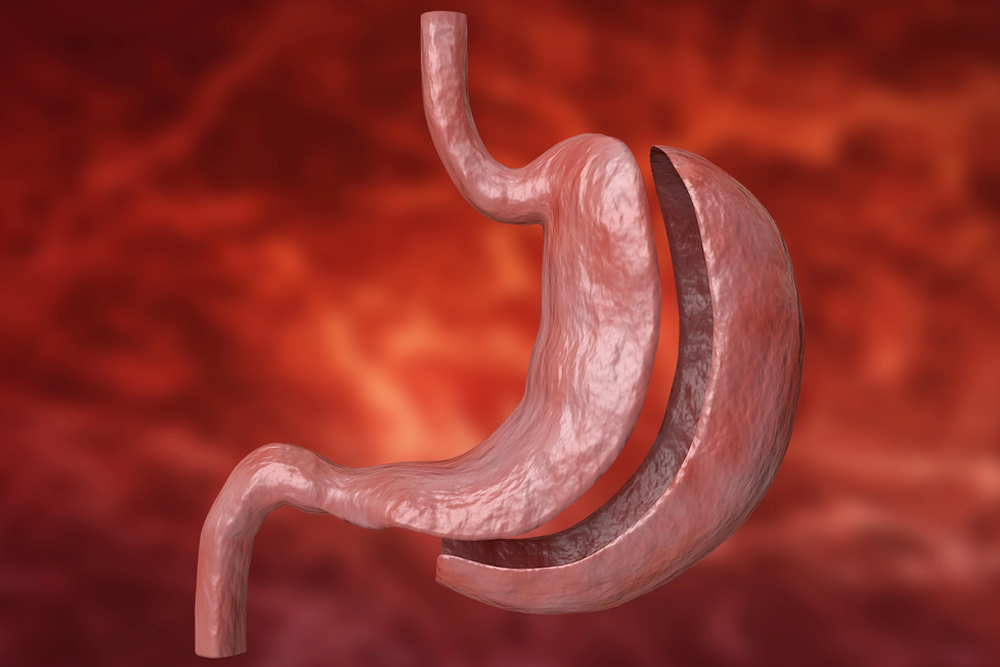
Sleeve gastrectomy, commonly known as the gastric sleeve, is another bariatric option widely used across the United States. During this surgery, approximately two-thirds of the stomach is removed. What remains is a narrow, tube-shaped stomach that holds far less food than before.
This operation works through restriction alone, meaning no part of the intestine is bypassed. Because the digestive tract remains intact, nutrient absorption continues normally. Although the gastric sleeve is less complex to perform than SADI, it still produces meaningful weight loss and can improve metabolic issues such as type 2 diabetes.
Patients typically lose a sizable percentage of their excess weight within the first year after surgery, and many report decreased hunger due to changes in stomach-based hormones.
SADI vs. Sleeve: Main Distinctions
Amount of Expected Weight Loss
Both surgeries can lead to substantial weight reduction. However, SADI often produces a greater overall loss because it limits eating and reduces how many calories the body absorbs. The gastric sleeve relies solely on a smaller stomach to achieve results, which may be sufficient for many people but may not meet the needs of patients requiring more aggressive weight management.
Effects on Metabolic Health
People with conditions such as diabetes, high cholesterol, or hypertension may see improvements after either surgery. Still, the hormonal responses triggered by SADI tend to create stronger metabolic benefits. Redirecting food through a shorter section of the digestive tract encourages the release of gut hormones that help stabilize blood sugar and curb appetite. Although sleeve gastrectomy can also support metabolic improvements, its hormonal impact is more modest.
Possible Risks and Side Effects
Nutrient Issues
Because SADI alters how the intestine absorbs nutrients, deficiencies can develop without careful monitoring and supplementation. Vitamins and minerals commonly affected include iron, B12, and fat-soluble vitamins. The sleeve, by contrast, preserves intestinal continuity, so the likelihood of major deficiencies is lower, though routine supplements are still recommended.
Digestive Changes
Patients who undergo SADI may experience loose stools or fatty bowel movements, particularly when eating meals high in fat. Gastric sleeve patients may notice bowel habit changes as well, but symptoms are usually milder.
Procedure-Specific Complications
SADI requires dividing the duodenum and attaching it to a lower segment of the small intestine. Complications involving the divided duodenum can occur, which are not seen with sleeve gastrectomy since that area is left untouched.
Need for Revision Surgery
Either procedure may require revision in select circumstances. Sleeves may be converted to another bariatric operation if weight regain occurs or if weight loss is inadequate. SADI may require revision if the degree of malabsorption becomes overly severe or if ongoing digestive problems develop.
Considerations About Acid Reflux
Because both surgeries reshape the stomach into a narrow tube, pressure within the stomach can rise, contributing to reflux symptoms in susceptible individuals. People who already live with significant reflux may benefit from discussing alternatives such as Roux-en-Y gastric bypass with their surgeon.
Which Procedure is Right for You?
The decision between SADI surgery vs. sleeve gastrectomy depends on your specific needs, medical history, and weight loss goals. If you are looking for more significant weight loss and have a higher BMI or metabolic issues, SADI surgery may be the better choice. However, if you prefer a less complex procedure with fewer risks and are looking for moderate weight loss, gastric sleeve surgery may be a good option.
It’s important to work with a skilled surgeon like Dr. Bonnor at Texas Aesthetics & Bariatrics, who can assess your condition and recommend the best procedure based on your individual needs. With his double board-certified expertise, he provides comprehensive care and personalized recommendations throughout the entire bariatric journey.
Contact Us Today
At Texas Aesthetics & Bariatrics, we offer SADI surgery and gastric sleeve surgery to help you achieve your weight loss and health goals. With Dr. Bonnor's expertise, we guide you through the process and ensure you get the care you need before, during, and after your surgery.
To learn more about how we can help you, schedule a consultation today and take the first step toward a healthier future.