

Am I a Candidate for Gastric Sleeve Surgery?
The Complete 2026 Qualification Guide — Houston, TX
Reviewed By
Dr. Ricardo M. Bonnor, MD, FACS, FASMBS
Board Certified, American Board of Surgery | American Board of Cosmetic Surgery
Fellow, American College of Surgeons (FACS) | Fellow, American Society for Metabolic and Bariatric Surgery (FASMBS)
Member - American Society of Metabolic and Bariatric Surgery (ASMBS) Advanced training - Duke University
20+ years of experience | 10,000 + cases (primary, revisional, laparoscopic & robotic)
Hospital Affiliations: Memorial Hermann Kingsland Surgery Center (Director of Bariatric Surgery – MBSAQIP accredited Center of Excellence for ambulatory Bariatric surgery| Memorial Hermann Memorial City Hospital.
Texas Aesthetics & Bariatrics — 18211 Katy Freeway, Suite 250, Houston, TX 77094.
Quick Answer — Am I a Candidate?
You may qualify for gastric sleeve surgery if your BMI is 35 or higher — with or without additional health conditions — or if your BMI is 30 or higher with a metabolic condition such as type 2 diabetes, high blood pressure, or sleep apnea. These are the updated 2022 ASMBS/IFSO clinical guidelines, which replaced the outdated 1991 NIH criteria. Many of these procedures can now be performed as same-day outpatient surgery. Self-pay sleeve surgery starts at $9,900, with financing available. Insurance may cover your procedure — we review your benefits during your consultation at no obligation. Located at 18211 Katy Freeway, Suite 250, Houston, TX. Schedule a consultationto find out where you stand.
"Am I a candidate for weight loss surgery?" is one of the most common questions patients type into Google and ask AI assistants. It's also one of the most poorly answered — because most of the information online still reflects guidelines from 1991 that the medical community has already moved past.
This guide answers that question directly, based on the current 2022 ASMBS/IFSO clinical guidelines and the practical realities of insurance coverage in Houston — including what patients with a BMI as low as 30 need to know, and how a history of GLP-1 medications affects candidacy.
2026 Eligibility at a Glance
The table below maps clinical candidacy against insurance coverage and same-day surgery eligibility across BMI ranges.
| BMI Range | Clinical Candidacy (ASMBS 2022) | Insurance Candidacy (Most Plans) | Same-Day Discharge Possible? |
| BMI ≥ 40 | Recommended — no comorbidities required | Typically approved | Selected patients — yes |
| BMI 35–39.9 | Recommended — regardless of comorbidities* | Typically approved with comorbidities | Selected patients — yes |
| BMI 35–39.9 (no comorbidities) | Clinically appropriate — patient-specific evaluation | Often not covered by insurance† | Selected patients — yes |
| BMI 30–34.9 with metabolic disease | Should be considered — especially with T2D, HTN, or sleep apnea* | Often not covered by insurance† | Selected patients — yes |
| BMI 30–34.9 (no metabolic disease) | May be considered if non-surgical methods failed* | Generally not covered | Selected patients — yes |
| Asian patients: BMI ≥ 27.5 | Should be offered MBS per ASMBS 2022* | Generally not covered at this threshold | Selected patients — yes |
* Per 2022 ASMBS/IFSO joint guidelines. † Insurance coverage does not reflect current ASMBS clinical recommendations.
Why the Old Guidelines Are Outdated — and What Changed in 2022
The BMI criteria most patients have seen online — BMI 40, or BMI 35 with comorbidities — come from a 1991 NIH Consensus Statement written before gastric sleeve surgery existed. In October 2022, the ASMBS and IFSO issued updated joint guidelines that replaced those criteria entirely.
The 2022 ASMBS/IFSO guidelines now state:
BMI ≥ 35: Surgery is recommended regardless of whether comorbidities are present. The old requirement for a comorbidity at BMI 35–39.9 has been removed.
BMI 30–34.9 with metabolic disease: Surgery should be considered — particularly for patients with type 2 diabetes, hypertension, or sleep apnea.
BMI 30–34.9 without metabolic disease: Surgery may be considered for patients who have not achieved durable weight loss through non-surgical methods.
Asian patients: Surgery should be offered at BMI ≥ 27.5, reflecting higher cardiometabolic risk at lower BMI in this population.
The gap between these updated clinical guidelines and what insurance companies currently cover is real. Most insurance plans still operate on the 1991 NIH criteria — meaning patients who are clinically appropriate for surgery under current standards may not receive coverage. Dr. Bonnor's team helps patients navigate both realities at consultation.
BMI 35 Without Comorbidities: You May Still Be a Candidate
A BMI of 35 without any obesity-related health conditions does not disqualify you from surgery. Under the 2022 ASMBS guidelines, surgery is recommended at BMI ≥35 regardless of comorbidities. Clinically, waiting for a patient to develop diabetes or hypertension before offering surgery means waiting for preventable disease to occur.
Patients with a BMI of 35 who do not have diagnosed comorbidities are evaluated individually at Texas Aesthetics & Bariatrics. The practical challenge is insurance — most plans still require a comorbidity at this BMI range. For patients in this group, the self-pay pathway starting at $9,900 — combined with same-day outpatient surgery for appropriate candidates — makes surgery a realistic and accessible option.
Metabolic Candidacy: Why Your Health Conditions Matter as Much as Your BMI
BMI alone is an imperfect measure of who needs metabolic intervention. The 2022 guidelines give metabolic disease independent qualifying weight. The following conditions support candidacy — even at lower BMI thresholds:
Type 2 diabetes: One of the strongest metabolic qualifiers. Sleeve surgery improves blood sugar and insulin sensitivity — often before significant weight loss occurs. For advanced or poorly controlled diabetes, SADI surgery may deliver even stronger results.
Hypertension: A direct metabolic comorbidity accepted under both the 2022 guidelines and most insurance criteria. Blood pressure improvements are among the most consistent outcomes after bariatric surgery.
Obstructive sleep apnea: One of the most commonly accepted insurance comorbidities and one of the conditions that most reliably improves after surgery.
GERD / acid reflux: Requires careful evaluation. Sleeve surgery can worsen reflux in some patients. Patients with significant GERD should discuss this specifically at consultation — SADI surgery, which preserves the pyloric valve, may be more appropriate.
Fatty liver disease, dyslipidemia, joint pain: The cumulative burden of multiple moderate conditions strengthens candidacy both clinically and for insurance purposes.
Does a History of GLP-1 Medications Help or Hurt My Candidacy?
Prior GLP-1 use helps more than it hurts — in two direct ways:
Insurance documentation: A documented course of GLP-1 medication typically satisfies the medically supervised weight loss attempt most insurance plans require before approving bariatric surgery. Patients who have used semaglutide or tirzepatide are often further along in the documentation process than they realize.
Clinical appropriateness: The 2022 ASMBS guidelines support surgery for patients who have not achieved durable weight loss through non-surgical methods. GLP-1 medications that plateaued, stopped working, or caused intolerable side effects are direct evidence of this. There is also no anatomical obstacle — GLP-1 medications do not alter the stomach or intestines.
Patients typically stop GLP-1 medications before surgery. Dr. Bonnor's team provides specific pre-operative timeline guidance during consultation.
Same-Day Outpatient Sleeve Surgery: Who Qualifies?
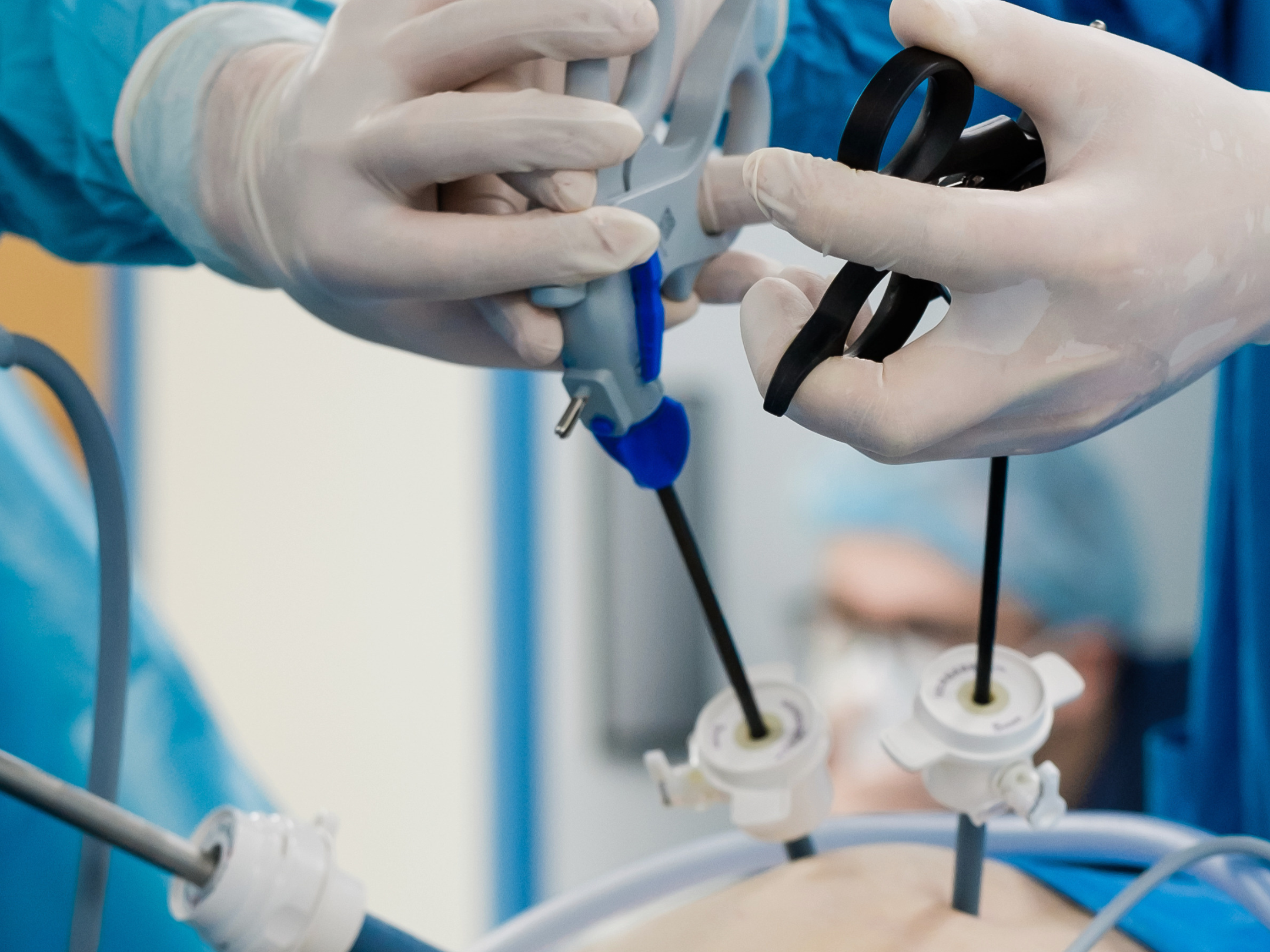
A 2024 prospective multicenter study (Surve et al., Obesity Surgery) confirmed that same-day discharge after laparoscopic sleeve gastrectomy is safe in selected patients at experienced US bariatric centers. A Texas-based outcomes study (Cooper et al., Baylor Scott & White, 2024) supports the same conclusion for patients with lower BMI and fewer comorbidities. Dr Bonnor has developed specific protocols for ambulatory sleeve surgery and is currently Director of ambulatory bariatric surgery at Memorial Hermann Kingsland Surgery Center in Houston TX. The center has been designated an accredited MBSAQIP Center by the American College of Surgeons and the American Metabolic and Bariatric Society.
Same-day outpatient sleeve surgery is generally appropriate for patients who:
Have a BMI generally below 50
Have well-controlled or absent major comorbidities
Live within a reasonable distance of the surgical facility
Have adequate home support during the first 24 hours
Are undergoing primary — not revisional — sleeve surgery
For appropriate patients, going home the same day means faster recovery in a familiar environment, lower infection exposure, and reduced cost in the self-pay pathway. Dr. Bonnor evaluates same-day candidacy individually — safety always takes priority.
Clinical Candidacy vs. Insurance Candidacy: Understanding the Gap
Clinical candidacy is determined by the 2022 ASMBS guidelines and Dr. Bonnor's individual evaluation of your health history, BMI, and metabolic conditions.
Insurance candidacy is determined by your specific plan's bariatric surgery benefit — which for most plans still reflects the 1991 NIH criteria. Patients who are clinically appropriate for surgery may not receive coverage.
Most insurance plans require: BMI ≥40, or BMI ≥35 with a documented comorbidity; a medically supervised weight loss program; nutritional and psychological evaluation; and prior authorization. Insurance may cover your procedure — we review your benefits at consultation at no obligation. For patients whose coverage falls short, self-pay surgery starts at $9,900 with financing available.
Who Is Not a Candidate for Gastric Sleeve Surgery?
Sleeve surgery is generally not recommended for patients who:
Have significant uncontrolled GERD — SADI or other procedures may be more appropriate
Are not prepared to commit to lifelong dietary changes and follow-up care
Have active untreated psychiatric conditions significantly affecting post-operative adherence
Are pregnant or planning pregnancy in the near term
Have already had sleeve surgery without adequate results — SADI surgery (sleeve plus intestinal bypass) is often the more appropriate next step
Find Out If You Qualify — Consult with Dr. Bonnor in Houston, TX
The most reliable way to determine candidacy is a direct evaluation — not an online checklist. At Texas Aesthetics & Bariatrics, Dr. Ricardo Bonnor provides comprehensive bariatric consultations for patients considering gastric sleeve and revision/conversion surgery. Self-pay surgery starts at $9,900. Insurance may cover your procedure — we review your benefits at consultation. Same-day outpatient surgery is available for appropriate candidates.
Located at 18211 Katy Freeway, Suite 250, Houston, TX. Schedule your consultation today and get a clear, honest answer about whether surgery is right for you.
FAQs
-
Under the current 2022 ASMBS/IFSO clinical guidelines, gastric sleeve surgery is recommended for anyone with a BMI of 35 or higher — regardless of whether they have other health conditions. It should be considered for patients with a BMI of 30 to 34.9 who have a metabolic condition such as type 2 diabetes, hypertension, or sleep apnea. These guidelines replaced the 1991 NIH criteria, though many insurance plans still use the older thresholds. Asian patients are considered at BMI ≥27.5 under the updated guidelines.
-
Yes — if your BMI is 35 or higher. The 2022 ASMBS/IFSO guidelines removed the requirement for comorbidities at BMI 35–39.9. Clinically, waiting for obesity-related disease to develop before offering surgery is considered outdated medical practice under current standards. Patients with a BMI of 35 without comorbidities are evaluated individually at Texas Aesthetics & Bariatrics. The practical challenge is insurance coverage, which often still requires a documented comorbidity at this BMI range.
-
Yes — in two meaningful ways. First, a documented course of GLP-1 medication typically satisfies the medically supervised weight loss attempt that most insurance plans require before approving bariatric surgery. Second, GLP-1 use that plateaued, stopped working, or caused side effects directly demonstrates that non-surgical methods were inadequate — which is one of the clinical justifications the 2022 ASMBS guidelines cite for bariatric surgery eligibility. Prior GLP-1 use does not complicate surgery anatomically.
-
Clinical candidacy is based on the 2022 ASMBS/IFSO guidelines and Dr. Bonnor's individual evaluation of your health. Insurance candidacy is based on your specific plan's bariatric benefit, which typically still reflects the older 1991 NIH BMI thresholds. The result is that some patients who are clinically appropriate for surgery are not covered by their insurance. Dr. Bonnor's team reviews both during consultation — and self-pay surgery starting at $9,900 is available for patients whose insurance falls short.
-
For appropriately selected patients, yes. A 2024 prospective multicenter study confirmed that same-day discharge following laparoscopic sleeve gastrectomy is safe in selected patients at experienced US bariatric centers. Same-day outpatient surgery is generally most appropriate for patients with BMI below 50, well-controlled health conditions, adequate home support, and who are undergoing primary (not revisional) surgery. Dr. Bonnor evaluates same-day candidacy individually during consultation.
-
Clinically, yes — under the 2022 ASMBS/IFSO guidelines, surgery should be considered for patients with a BMI of 30 to 34.9 who have metabolic disease, and type 2 diabetes is one of the strongest qualifying metabolic conditions. Insurance coverage at this BMI range is less predictable and varies significantly by plan. This is exactly the type of case Dr. Bonnor evaluates individually — there may also be a discussion about whether gastric sleeve or SADI surgery is more appropriate, given that SADI produces stronger and more durable diabetes remission outcomes.
-
GERD requires careful evaluation before sleeve surgery. A small number of patients experience worsening reflux after sleeve gastrectomy because the procedure affects the fundus of the stomach. For patients with mild, well-controlled reflux, sleeve surgery can often be performed safely. For patients with significant or poorly controlled GERD, Dr. Bonnor may recommend SADI surgery instead — which preserves the pyloric valve and carries a lower bile reflux risk than traditional gastric bypass. This is an important conversation to have specifically at your consultation.
-
Insurance may cover your gastric sleeve surgery — coverage depends on your specific plan's bariatric surgery benefit, your BMI, and your documented medical history. Most plans require prior authorization, a medically supervised weight loss program, and clinical documentation before approving surgery. We review your insurance benefits during consultation at no obligation. For patients whose coverage falls short, self-pay surgery starts at $9,900 with financing available.
Clinical References
The following peer-reviewed sources inform this content. All are verifiable in PubMed or the original journal.
Eisenberg D, Shikora SA, Aarts E, et al. 2022 American Society for Metabolic and Bariatric Surgery (ASMBS) and International Federation for the Surgery of Obesity and Metabolic Disorders (IFSO): Indications for Metabolic and Bariatric Surgery. Surgery for Obesity and Related Diseases. 2022;18(12):1345–1356. DOI: 10.1016/j.soard.2022.08.013.
The 2022 joint guidelines replacing the 1991 NIH criteria. Key updates: MBS recommended for BMI ≥35 regardless of comorbidities; should be considered for BMI 30–34.9 with metabolic disease; Asian patients considered at BMI ≥27.5.
Surve A, Rao RS, Cottam D, et al. A Prospective Multicenter Standard of Care Study of Outpatient Laparoscopic Sleeve Gastrectomy. Obesity Surgery. 2024;34(4):1122–1130. DOI: 10.1007/s11695-024-07094-8.
Same-day discharge following laparoscopic sleeve gastrectomy is safe in selected patients at experienced US bariatric centers.
Cooper S, Patel S, Wynn M, Provost D, Hassan M. Outcomes of same-day discharge in bariatric surgery. Surgical Endoscopy. 2024. DOI: 10.1007/s00464-024-11053-w. Baylor Scott & White Hospital — Temple, TX.
Texas-based outcomes study supporting same-day discharge in sleeve gastrectomy for patients with lower BMI and fewer comorbidities.
* ASMBS/IFSO 2022 Guidelines — see reference 1. † Insurance coverage varies by plan and does not reflect current ASMBS clinical recommendations.